Introduction: The Relevance of Injury Care in First Aid
In the realm of emergency treatment, wound care stands as a cornerstone skill that every initial aider have to understand. Whether you're replying to a small scrape or a serious laceration, comprehending the nuances of injury management can substantially influence outcomes. Not only does correct wound care promote recovery, however it additionally reduces infection dangers and makes certain individual convenience. In this extensive guide, we'll look into the Wound Care Essentials: Important Abilities Every First Aider Should Master, covering whatever from standard techniques to sophisticated practices.
Wound Treatment Basics: Vital Skills Every Initial Aider Must Master
Understanding Wounds: Types and Classifications
When it comes to wound care, the initial step is acknowledging the type of wound you're handling. Injuries can be categorized right into several classifications:

- Closed Wounds: These consist of contusions and hematomas where the skin continues to be intact. Open Wounds: This category includes different types like abrasions, lacerations, slits, and avulsions.
Understanding these classifications not only aids in treatment however also assists in anticipating prospective issues such as infections.
Assessing the Extent of a Wound
Before starting any type of therapy, it's important to examine the severity of the injury. Variables to consider include:
- Depth: Is it superficial or deep? Size: How big is the wound? Location: Where on the body is it situated? Contamination Degree: Is there dust or debris present?
This assessment will certainly guide you on whether you can manage the injury at home or if specialist medical aid is required.
The DRSABCD Protocol in Injury Management
One of the essential principles in first aid course in melbourne emergency treatment is adhering to the DRSABCD protocol:
Danger-- Guarantee safety and security for both yourself and the injured person. Response-- Check if the person is responsive. Shout for assistance-- If unresponsive, require emergency services. Airway-- Ensure their respiratory tract is clear. Breathing-- Check for regular breathing. CPR-- If not breathing, begin CPR. Defibrillation-- Make use of an AED if available.By sticking to this procedure, you lay a strong structure for reliable wound care.
Gathering Required Supplies
Before you start treating a wound, ensure you have all essential products at hand:
- Sterile gloves Antiseptic wipes or solution Sterile gauze pads Adhesive bandages Medical tape Scissors Tweezers (for removing debris)
Having these items all set can simplify your feedback time and enhance client outcomes.
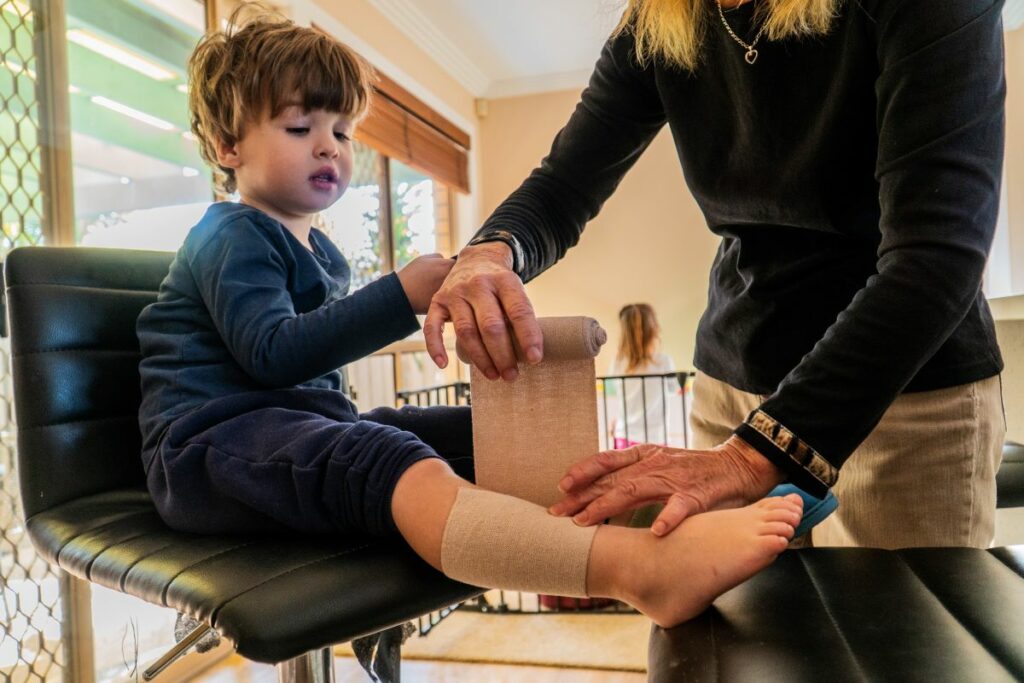
Cleaning a Wound Properly
Cleaning an injury successfully is vital to prevent infection. Right here's how to do it:
Wash your hands thoroughly with soap and water or make use of hand sanitizer. Put on sterilized gloves. Rinse the wound delicately under tidy running water for at the very least 5 minutes. Use antibacterial wipes around but not straight on the wound to prevent irritation.This careful method decreases microbial load and prepares the location for more treatment.
Dressing Methods for Various Kinds Of Wounds
Dressing injuries correctly differs based upon their type: cpr training melbourne
For Abrasions:
Apply an anti-bacterial ointment and cover with a non-stick gauze pad protected with sticky tape.

For Lacerations:
If blood loss is excessive, use stress prior to clothing with a sterile gauze pad.
For Leak Injuries:
Do not eliminate any type of item embedded in a slit; instead, dress around it and look for medical attention promptly.
Employing ideal clothing techniques decreases scarring and advertises ideal recovery conditions.
Recognizing Indicators of Infection
After treating a wound, watching out for indications of infection is paramount:
- Increased soreness around the site Swelling or warmth Pus or unusual discharge Fever
If any of these symptoms arise, look for medical help right away as prompt intervention can prevent serious complications.
Advanced Methods: Stitches and Staples
While most minor injuries can be managed through basic techniques reviewed earlier, some might call for stitches or staples-- a procedure finest left to qualified clinical professionals.
When Are Sews Necessary?
Stitches are typically required when:
The cut edges can not be conveniently brought together. The deepness surpasses half an inch. There's considerable gaping.Recognizing these scenarios guarantees that patients get proper care without unneeded delays.
Blended First Aid Knowing Approaches
With improvements in training methodologies-- like combined emergency treatment learning-- emergency treatment courses now combine on-line theory with hands-on ability demo sessions. This approach improves comprehending while enabling functional applications that are crucial for grasping skills like wound treatment basics.
Corporate Emergency treatment Courses: Tailored Educating Solutions
Organizations typically call for customized training services to guarantee office compliance pertaining to first aid readiness. Company emergency treatment training courses highlight industry-specific situations that workers could deal with while additionally instilling essential skills like those required for reliable injury management.
Comparing Training Organisations: What You Required to Know
When choosing a training company for your emergency treatment certification (such as HLTAID011 Supply Emergency Treatment), think about variables including credibility, program material relevance (e.g., focusing on workplace conformity), teacher experience, student evaluations, and so on, guaranteeing you select one that fulfills your details needs.
|Criteria|Organisation|Organisation B|| ------------------------------|--------------------|--------------------|| Program Pricing Break Down|$150|$200|| Duration|8 hours|10 hours|| Practical Elements|Yes|Yes|| Online Assistance|Yes|No|
This kind of contrast aids potential very first aiders make notified decisions when looking for ideal training programs customized to their unique requirements.
How Long Is The Course?
The duration varies widely depending upon course purposes-- varying from half-day sessions concentrating entirely on standard abilities to multi-day programs incorporating comprehensive elements like advanced first-aid strategies (HLTAID014). Always verify program length when enlisting so you can plan accordingly!
Renewal Regularity: Maintaining Your Abilities Up-To-Date
First help certifications normally call for revival every 3 years; nonetheless, it's a good idea to check particular requirements based upon your local laws as they can vary considerably throughout areas within Australia!
Parent-Focused Courses: Beyond Basic Skills
Many companies provide parent-focused training courses made clearly for caregivers caring for youngsters; these sessions delve into subjects such as warmth stroke emergency treatment Australia while furnishing parents with invaluable understanding regarding dealing with common house injuries effectively!
Specialized Training: Industry-Specific First Aid
Certain markets have one-of-a-kind risk aspects necessitating specialized training; building site first aid courses illustrate this requirement plainly! Participants discover exactly how ideal to handle injuries appropriate especially within that environment-- improving total office security standards dramatically!
FAQs Concerning Wound Treatment Basics
What prevail kinds of wounds I must recognize about?- Common kinds consist of abrasions (scrapes), lacerations (cuts), punctures (such as from nails), and avulsions (torn skin).
- If bleeding does not quit after applying pressure or if sides can not be combined quickly-- go to a healthcare professional immediately!
- It should have items like adhesive bandages, sterilized gauze pads/tape/antiseptics along with essential medications (e.g., pain relief) tailored according your sector's needs!
- Absolutely! Relocate them right into great shade/air conditioning while supplying fluids until aid gets here; monitor their temperature level carefully too!
- Certainly! Blended combines theoretical on-line knowing adhered to by sensible application sessions whereas face-to-face counts exclusively upon instructor-led trainings without digital support devices which might be less interesting overall!
6. How do I end up being a qualified instructor myself?
- To end up being a first aid fitness instructor Australia please get in touch with recognized institutions offering courses designed especially targeted at certifying aspiring teachers-- it'll involve demonstrating expertise along with completing required evaluations effectively!
Conclusion: Mastering Wound Care Essential Is Essential
In conclusion, mastering wound treatment basics symbolizes greater than simply acquiring technical knowledge; it has to do with developing confidence amidst emergency situations while ensuring safety all-around! By embracing continual education and learning through mixed learning techniques alongside requiring business training frameworks-- you'll boost readiness levels throughout both individual & & professional spheres alike! So whether embarking upon first-aid certification Australia pursuits or developing existing abilities in the direction of ending up being an instructor yourself-- the journey starts today toward coming to be competent within this crucial life-saving domain!